The world has seen enormous changes between the year 1941 and the present year 2025. These two years, though separated by 84 years, tell stories of different worlds. In 1941, much of the planet was caught in the flames of the Second World War. In 2025, the world is navigating new technologies, global connections, and political shifts. This article explores the key events, lifestyles, challenges, and contrasts between these two years.
1. Political and Global Landscape

1941: The World at War The year 1941 was one of the most significant years of the 20th century due to the ongoing World War II. On December 7, Japan launched a surprise attack on Pearl Harbor in Hawaii, leading to the United States joining the war. Europe was already devastated. Nazi Germany was invading the Soviet Union, and millions of people were suffering or dying due to conflict.
2025: A World of Digital Politics and Tensions In 2025, the global stage is very different. While the world is not in a world war, political tensions still exist. Countries use cyber warfare instead of bombs. Conflicts in Ukraine and the Middle East, and tensions between China and the US, shape today’s world. Terror attacks and regional wars still affect many parts of the globe, especially in areas like Pakistan, where 2025 saw several attacks in places like Khuzdar and Waziristan.
2. Life in Society: Then and Now

Daily Life in 1941 Life in 1941 was simple but difficult. Most people in countries like British India (now Pakistan and India) lived in rural areas. Electricity and running water were rare luxuries. Radio was the main source of news and entertainment. War shortages meant people had to ration food and fuel.
Daily Life in 2025 Today, life is fast and digital. Most people have smartphones, access to the internet, and social media. Cities are full of vehicles and modern buildings. Students use tablets in schools, and many people work remotely using laptops. However, the fast pace also brings mental health issues, social isolation, and stress from constant digital pressure.
3. Technology and Innovation

Technology in 1941 In 1941, technology was in its early stages. Airplanes were used in war, and telephones were only available to the rich. Cars were fewer, and trains were the main transport. People used handwritten letters to communicate.
Technology in 2025 2025 is full of artificial intelligence, self-driving cars, and even space tourism. People use video calls to talk with others across the world. Machines and robots are helping in hospitals, schools, and factories. Data, apps, and AI like ChatGPT help people in education, business, and personal life.
4. Health and Medicine
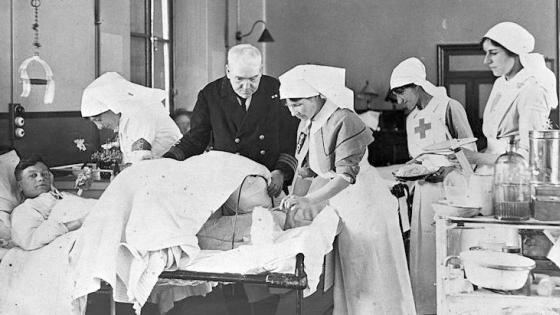
Healthcare in 1941 In 1941, medical knowledge was limited. Antibiotics like penicillin were just being discovered. Many people died from diseases like tuberculosis or malaria. Hospitals lacked proper equipment.
Healthcare in 2025 Modern medicine has advanced a lot. Vaccines, surgeries, and treatments are available for many diseases. In 2025, AI is being used to detect cancer and other illnesses early. During the COVID-19 pandemic (2020), we saw the speed at which vaccines could be made, and that speed continues in 2025.
5. Education and Knowledge Sharing
Learning in 1941 Education was a privilege in 1941. Most children, especially in South Asia, did not go to school. Those who did studied in basic conditions. Books were the only source of knowledge.
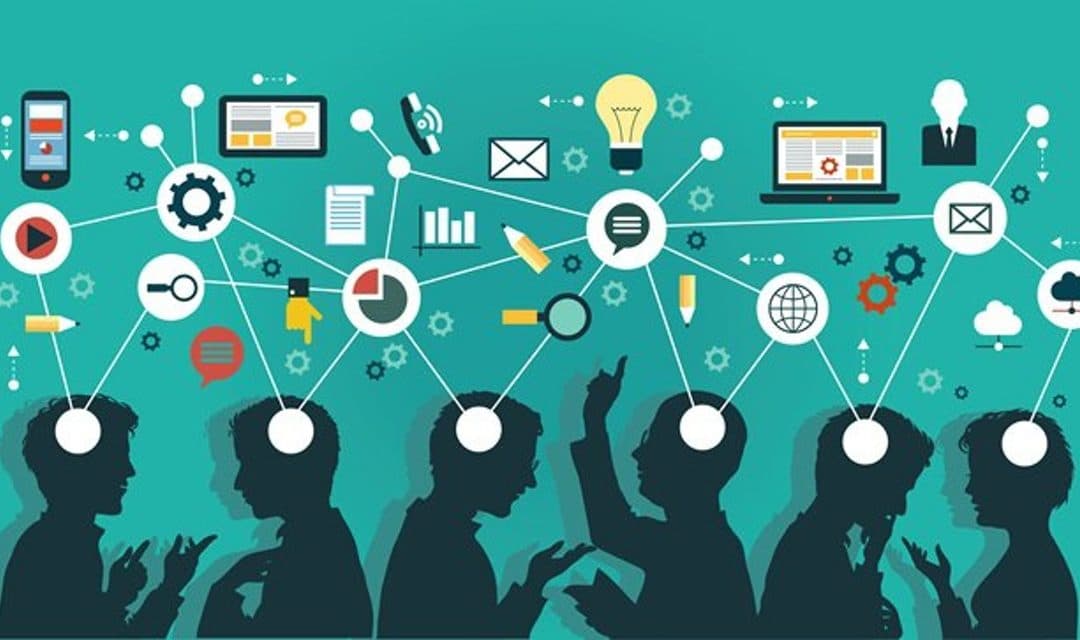
Learning in 2025 Today, education is available on phones, computers, and even virtual reality. Platforms like YouTube, Khan Academy, and digital classrooms make learning easier. Even people in villages can learn new skills online. However, there is also a gap between those with internet access and those without.
6. Major Attacks and Disasters
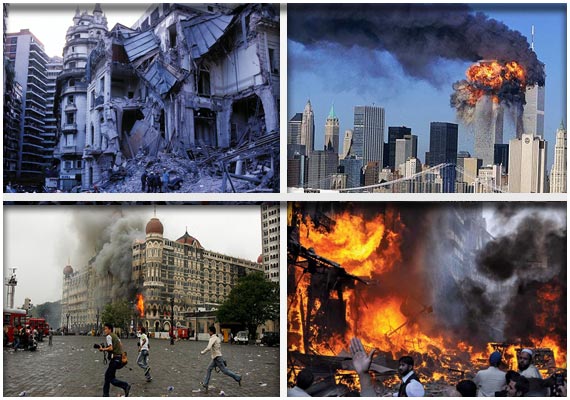
1941: Global Conflict Pearl Harbor was the biggest attack of 1941. It changed the course of WWII. Millions died across Europe, Asia, and Africa. Holocaust and air raids brought human suffering to new levels.
2025: Targeted Violence In 2025, terror attacks replaced traditional war. Pakistan saw school bus bombings, train hijackings, and regional conflicts. These attacks are small in scale compared to WWII but still deeply affect communities.
7. Celebrations and Public Holidays
Festivities in 1941 In 1941, people celebrated religious festivals like Eid, Diwali, and Christmas quietly due to the war. There were few national holidays, and freedom movements were rising.
Festivities in 2025 In Pakistan, 2025 includes public holidays like Pakistan Day (23rd March), Eid festivals, Independence Day (14th August), and more. Social media adds a new flavor to how people celebrate and share.
Conclusion: Two Worlds, One Humanity
Although 1941 and 2025 are different in almost every way—from technology to lifestyle, health to warfare—they both show the strength and struggle of human beings. In 1941, survival meant facing bombs and war. In 2025, survival means adapting to a changing, fast-paced world. While our tools and methods have changed, the human spirit to grow, connect, and find peace remains the same. Both years remind us that the world keeps changing, but our hopes, fears, and dreams continue across time.
 Success Technology