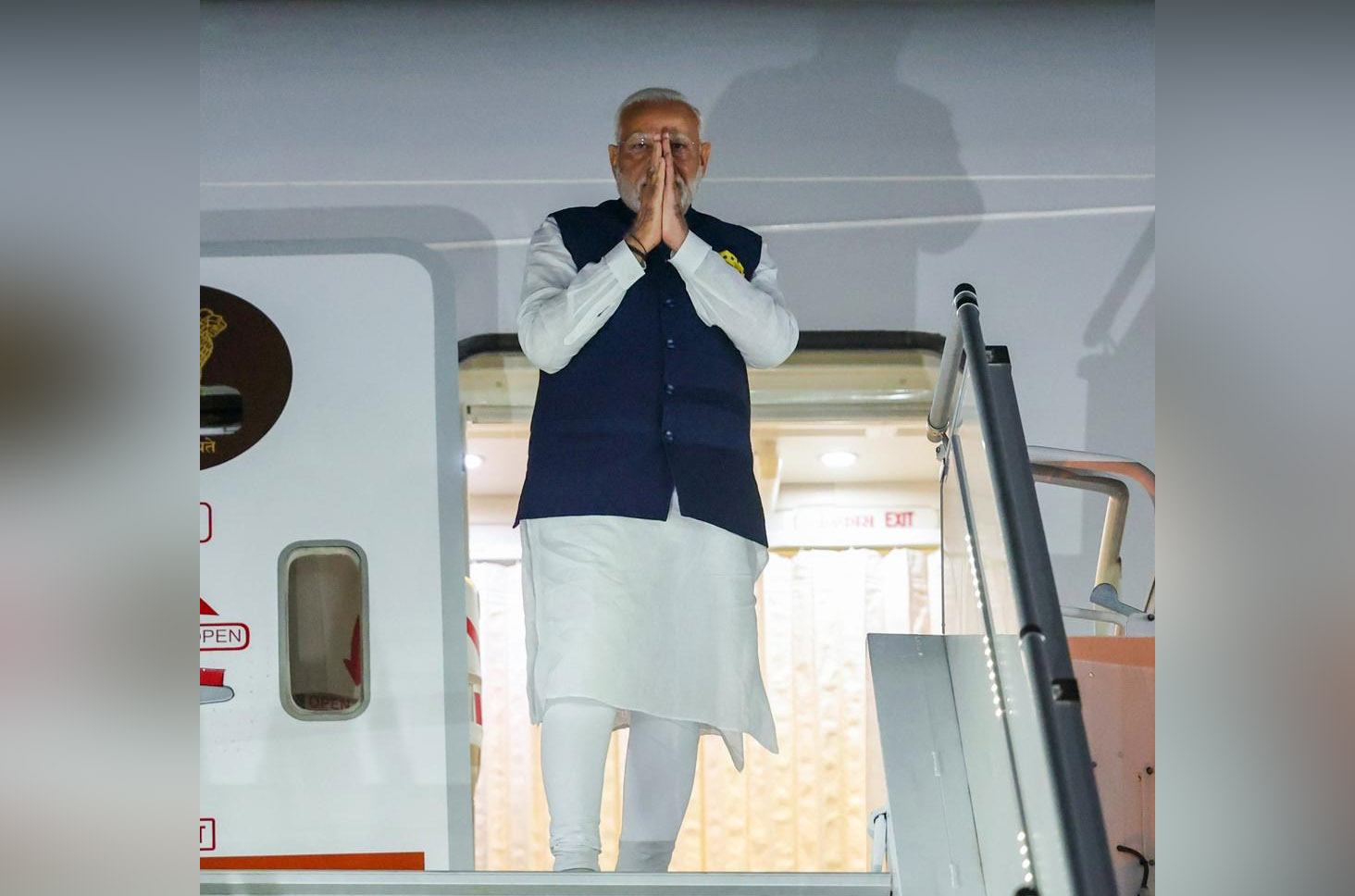
In a rapidly changing global landscape, Prime Minister Narendra Modi recently highlighted the significance of the East Asia Summit (EAS) as a vital opportunity for deepening India’s engagement with ASEAN countries. This strategic platform not only facilitates dialogue among member nations but also plays a crucial role in addressing regional challenges and fostering cooperation across various sectors.
Strengthening Ties with ASEAN
The Association of Southeast Asian Nations (ASEAN) represents a dynamic and diverse region that is pivotal to India’s Act East Policy. As one of the fastest-growing economic blocs, ASEAN countries offer immense potential for trade, investment, and cultural exchange. Modi’s emphasis on the EAS underscores India’s commitment to strengthening these ties, particularly in areas like technology, sustainable development, and security cooperation.
Economic Collaboration
Economic collaboration between India and ASEAN has been on the rise, with initiatives aimed at boosting trade and investment flows. The Regional Comprehensive Economic Partnership (RCEP), though initially approached with caution, remains a focal point for enhancing economic integration. By leveraging the EAS, India can seek to create more comprehensive trade agreements that align with the interests of both parties, fostering a more conducive environment for businesses.
Security and Stability
Security is another crucial dimension of the EAS discussions. With rising tensions in various parts of Asia, collaborative security frameworks are essential. India’s active participation in multilateral security dialogues can help address common threats, such as terrorism, cyber warfare, and maritime security. By working closely with ASEAN nations, India can play a pivotal role in promoting stability and peace in the region.
Cultural and Educational Exchanges
Cultural ties have long been a strong aspect of India-ASEAN relations. The EAS provides a platform for promoting people-to-people connections through cultural exchanges, educational partnerships, and tourism initiatives. By facilitating academic collaborations and scholarships, India can enhance mutual understanding and foster long-term relationships with ASEAN nations.
Addressing Global Challenges
The EAS is also an important forum for addressing pressing global challenges, such as climate change, health crises, and disaster management. India’s commitment to sustainable development aligns with the aspirations of ASEAN countries, and cooperative initiatives can lead to innovative solutions for shared challenges. By spearheading discussions on these issues, India can establish itself as a leader in promoting sustainable practices in the region.
Conclusion
As the East Asia Summit approaches, Prime Minister Modi’s vision of deepening engagement with ASEAN countries reflects India’s proactive approach to regional diplomacy. By harnessing the potential of this multilateral platform, India can enhance its strategic partnerships, drive economic growth, and contribute to regional stability. The EAS presents a unique opportunity to shape a collaborative future that benefits not just India and ASEAN, but the entire Asia-Pacific region.
 Success Technology