The excitement surrounding NTR Jr’s highly anticipated film, Devara, continues to build as fans eagerly await its OTT release. While the theatrical release has garnered significant attention, many are keen to know when and where they can stream this action-packed drama from the comfort of their homes.
Expected OTT Release Date
Devara is expected to start streaming on an OTT platform approximately six weeks after its theatrical release. This timing is consistent with industry trends, allowing the film to maximize its box office potential before transitioning to streaming services. Given the film’s initial theatrical run, fans can anticipate that Devara might be available for streaming around late December 2023.
Although the official OTT platform for Devara has yet to be confirmed, several sources suggest that it will likely be available on Netflix or Amazon Prime Video. Both platforms have a strong history of collaborating with Telugu cinema, making them prime candidates for this highly anticipated release.
How to Watch
To catch Devara when it becomes available, viewers will need an active subscription to the chosen OTT platform. Here’s a quick guide on how to watch:
Choose Your Platform: Make sure to have a subscription to Netflix or Amazon Prime Video.
Download the App: Install the app on your smart TV, smartphone, or tablet.
Search for Devara: Once the film is released, use the search function to find it easily.
Stream and Enjoy: Click play and immerse yourself in the world of Devara.
Conclusion
As NTR Jr fans gear up for the film’s release, the countdown to its OTT debut is already underway. With the promise of thrilling action and compelling storytelling, Devara is set to be a must-watch once it hits streaming platforms. Keep an eye on announcements for the official release date and platform confirmation to ensure you don’t miss out on this cinematic experience!
In the intricate dance of international diplomacy, the agendas of world leaders often intertwine in unexpected ways. Recently, reports emerged that Prime Minister Narendra Modi of India would not be meeting with U.S. President Joe Biden, former President Donald Trump, or Vice President Kamala Harris during his current visit to the United States. While some might view this as a setback in Indo-U.S. relations, it reflects a broader narrative about India’s evolving foreign policy strategy and priorities on the global stage.
A Focused Agenda
PM Modi’s itinerary was clearly designed to prioritize bilateral discussions with select leaders and engagement in multilateral forums. This strategic approach underscores India’s intent to strengthen ties with specific countries and organizations that align closely with its national interests. Instead of high-profile meetings that garner immediate headlines, Modi seems to be favoring more substantive interactions that could yield long-term benefits.
Strategic Partnerships Over Individual Meetings
The absence of meetings with prominent figures like Trump and Harris doesn’t signify a deterioration in relations but rather a shift in focus. India is keen on cultivating strategic partnerships with countries that can bolster its economic and security objectives. For instance, Modi’s engagements with leaders from the Quad alliance—comprising the U.S., Japan, and Australia—highlight India’s commitment to a free and open Indo-Pacific, which is crucial for
Modi’s participation in multilateral forums such as the United Nations General Assembly (UNGA) also showcases India’s approach to diplomacy. These platforms allow for broader discussions on global issues like climate change, terrorism, and sustainable development. By emphasizing collective action over individual meetings, Modi reinforces India’s position as a responsible global actor seeking cooperative solutions.
The U.S.-India Relationship: Beyond Individual Leaders
While meetings with individual leaders like Trump or Harris can create immediate political traction, the U.S.-India relationship is built on a robust foundation of shared values and mutual interests. Economic collaboration, defense ties, and cultural exchange continue to flourish independently of specific diplomatic engagements. The ongoing negotiations around defense agreements and trade partnerships signal a healthy, albeit complex, bilateral relationship.
In an age where headlines often overshadow substance, PM Modi’s choice to forgo meetings with Trump and Harris is a testament to his strategic approach to international diplomacy. By focusing on broader partnerships and multilateral dialogue, India is positioning itself not just as a regional power but as a key player on the global stage. As Modi continues his diplomatic journey, the emphasis remains on building sustainable relationships that extend beyond individual leaders, ensuring that India’s voice resonates in the corridors of power worldwide.
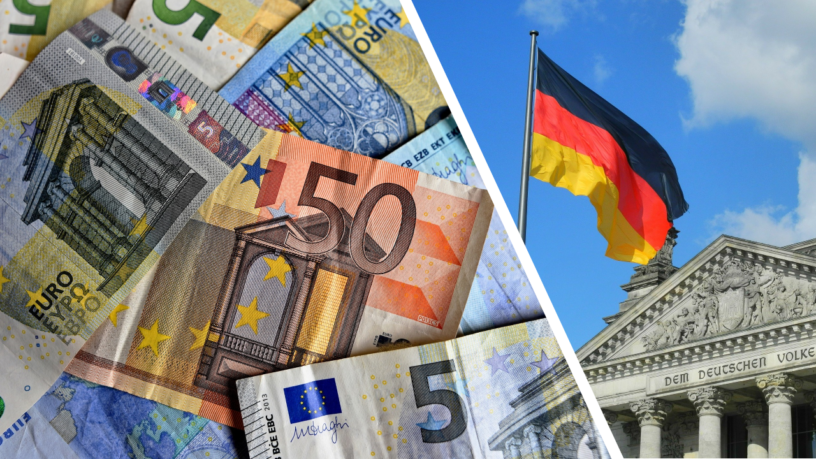
In a significant development aimed at strengthening the fight against financial crime, Germany’s Financial Intelligence Unit (FIU) has announced plans to provide banks with enhanced data to improve the quality of Suspicious Activity Reports (SARs). This move is poised to mark a major shift in how financial institutions in Germany detect and report suspicious transactions, with implications for anti-money laundering (AML) efforts both domestically and internationally.
The New Approach
The FIU’s initiative focuses on providing banks with more granular and actionable data, which is expected to refine the process of identifying and reporting suspicious activities. This new data set will include advanced analytics and contextual information that can help institutions better understand the nuances of potentially illicit transactions.
“Our goal is to enhance the quality of SARs by equipping banks with data that is not only comprehensive but also relevant to their specific operational context,” said Hans Müller, Director of Germany’s FIU. “We believe that with better data, banks will be able to more accurately identify and report suspicious activities, which in turn will bolster our collective efforts against financial crime.”
Impact on Financial Institutions
The integration of this new data into the SAR reporting process is expected to bring several benefits to financial institutions:
Improved Detection: By providing enhanced data analytics, banks will be better positioned to detect patterns that might indicate money laundering or other financial crimes. This should lead to a more proactive approach in identifying suspicious activities.
Enhanced Reporting Accuracy: With more detailed and relevant information at their disposal, banks can improve the precision of their SARs. This means that reports will be more likely to focus on genuinely suspicious activities, reducing the number of false positives and increasing the overall effectiveness of investigations.
Increased Efficiency: The new data will help streamline the reporting process, making it more efficient for banks to generate and submit SARs. This efficiency will also facilitate quicker responses from law enforcement and regulatory bodies.
Broader Implications
The initiative by Germany’s FIU could set a precedent for other countries looking to enhance their AML frameworks. If successful, this approach could serve as a model for integrating advanced data analytics into financial crime prevention strategies worldwide.
International organizations and regulatory bodies are closely watching Germany’s implementation of this new system. “Germany’s initiative is a noteworthy step forward in the global effort to combat financial crime,” said Maria Gonzalez, an analyst at the International Financial Crime Prevention Organization (IFCPO). “If proven effective, it could inspire similar efforts in other jurisdictions, contributing to a more robust global financial system.”
Challenges and Considerations
While the introduction of enhanced data for SARs promises significant improvements, there are challenges to address:
Data Privacy: Ensuring that the new data handling processes comply with privacy regulations is crucial. Banks will need to navigate the balance between enhanced surveillance and individual privacy rights.
Training and Adaptation: Financial institutions will require training to effectively utilize the new data. Adjusting existing systems and practices to incorporate advanced analytics may involve a learning curve.
Data Security: Protecting the new data from potential breaches is essential. Banks will need to implement stringent security measures to safeguard sensitive information.
Conclusion
Germany’s move to provide banks with enhanced data for Suspicious Activity Reports represents a proactive step towards improving the effectiveness of financial crime prevention. By leveraging advanced analytics and contextual information, the FIU aims to empower financial institutions to better detect and report suspicious activities. As the initiative progresses, it will be closely monitored for its impact on both domestic and international efforts to combat financial crime, potentially setting a new standard in AML practices worldwide.




 Success Technology